Planning Guide · Pacific Northwest
How to plan a wedding weekend in the Pacific Northwest
Vicki Russell · Dramatically Simple Events · 9 min read
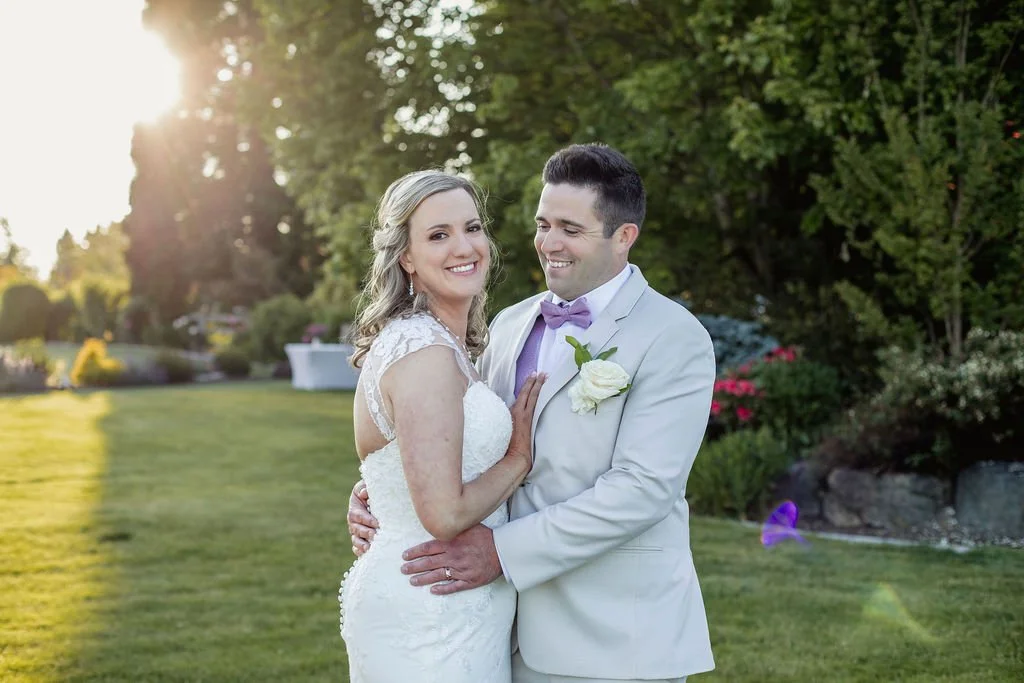
Start with the through-line
Before you plan any individual event, establish the through-line of the weekend: the tone, the atmosphere, the experience you want guests to have from arrival to departure. Not every event needs to match the formality of the wedding itself, but they should feel like they belong to the same weekend.
A wedding that is formal and editorial should not start with a casual backyard barbecue rehearsal dinner unless that contrast is intentional. A casual, outdoor wedding in the Cascades should not start with a black-tie welcome dinner. The weekend tells a story. Make sure all three or four events are telling the same one.
A wedding weekend is not just a wedding with extra events attached to it. It is a curated experience that begins the moment your guests arrive and ends when the last person leaves town. When it is done well, the weekend itself becomes part of what people remember. When it is not planned as a whole, each event feels disconnected and the cumulative experience suffers.
This guide is for couples who are planning a multi-day celebration in the Pacific Northwest and want to understand what actually needs to be coordinated, in what order, and at what level of detail.
The welcome gathering
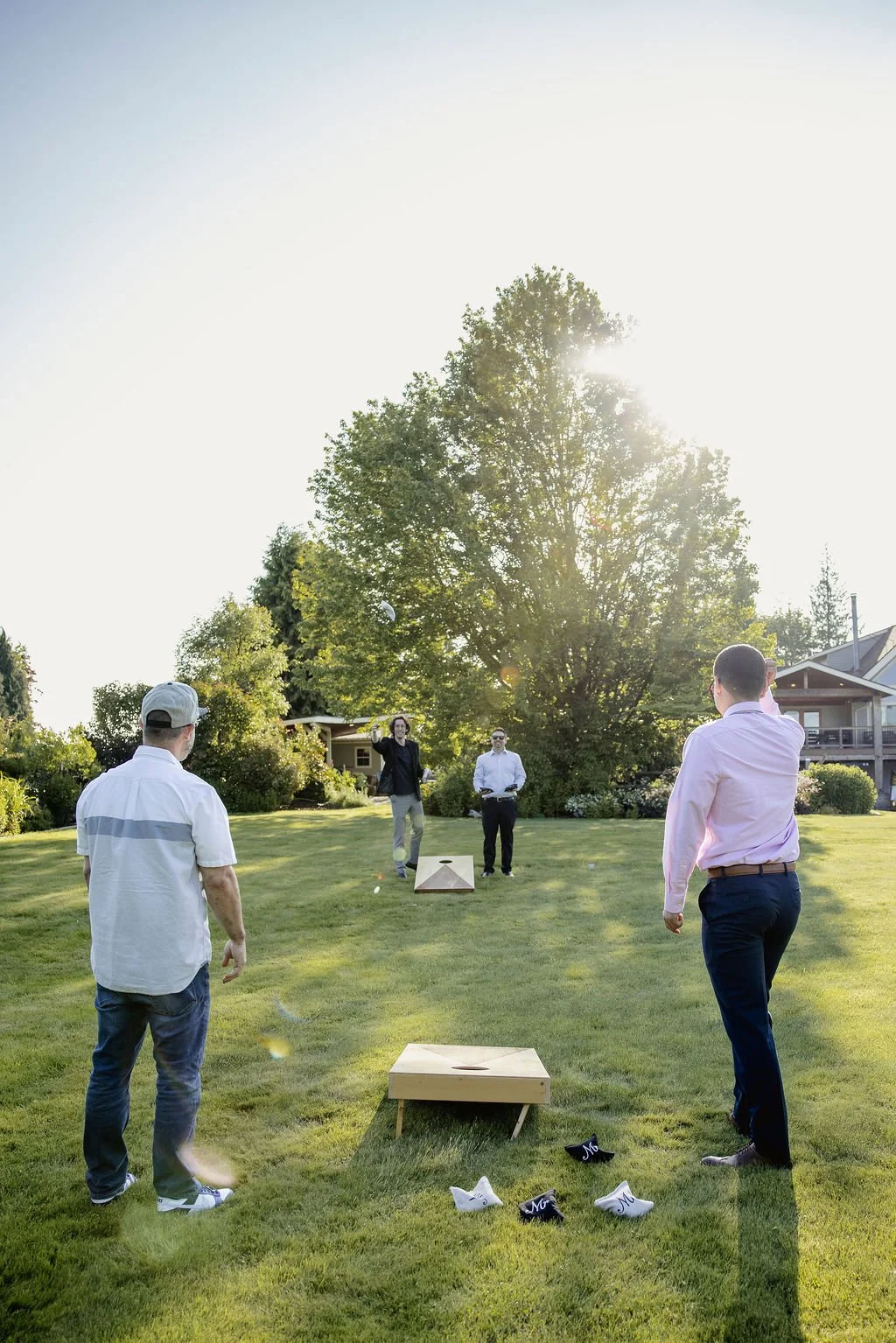
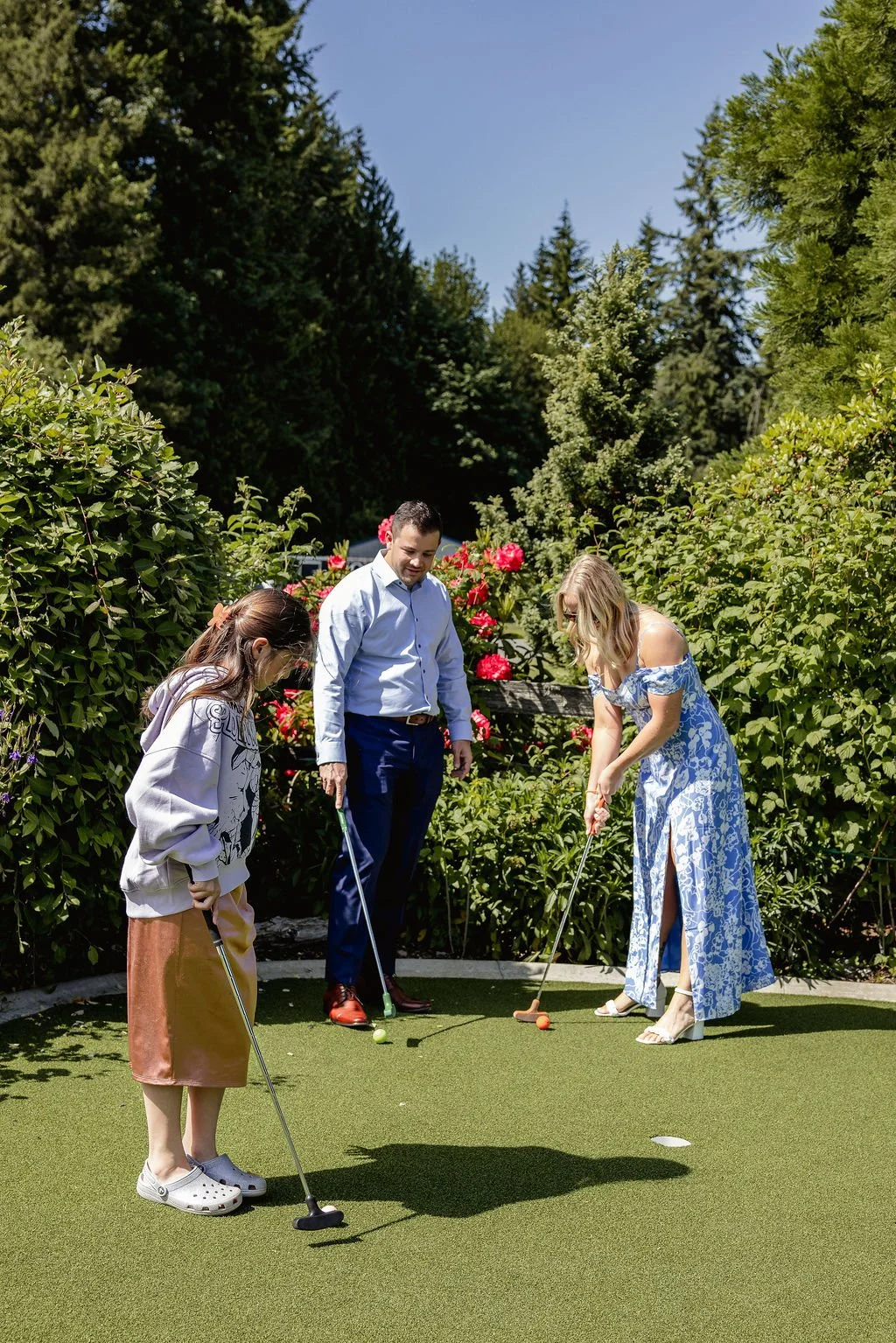
A welcome gathering is the event most couples add too late and plan too lightly. It typically takes place the evening before the rehearsal dinner or the afternoon of arrival day, and it serves one specific function: making out-of-town guests feel located before the wedding day.
Guests who have traveled from California, from the East Coast, from abroad, arrive without knowing anyone except the couple and a handful of others. A welcome gathering gives them a context, an atmosphere, and a chance to find their people before the wedding day when there is no time for it.
It does not need to be elaborate. A two-hour gathering with drinks, light food, and a space that sets the tone of the weekend is sufficient. What it does need is to be properly communicated so guests know it is happening and what to expect.
The rehearsal dinner
The rehearsal dinner is the most under planned event in most wedding weekends. Couples spend months on the wedding and two weeks on the rehearsal dinner, and it shows.
The rehearsal itself typically runs 45 minutes to an hour and involves the wedding party, immediate family, and officiant walking through the ceremony sequence. The dinner that follows is the first time the full inner circle is together before the wedding day, and it sets the emotional tone for everything that comes after.
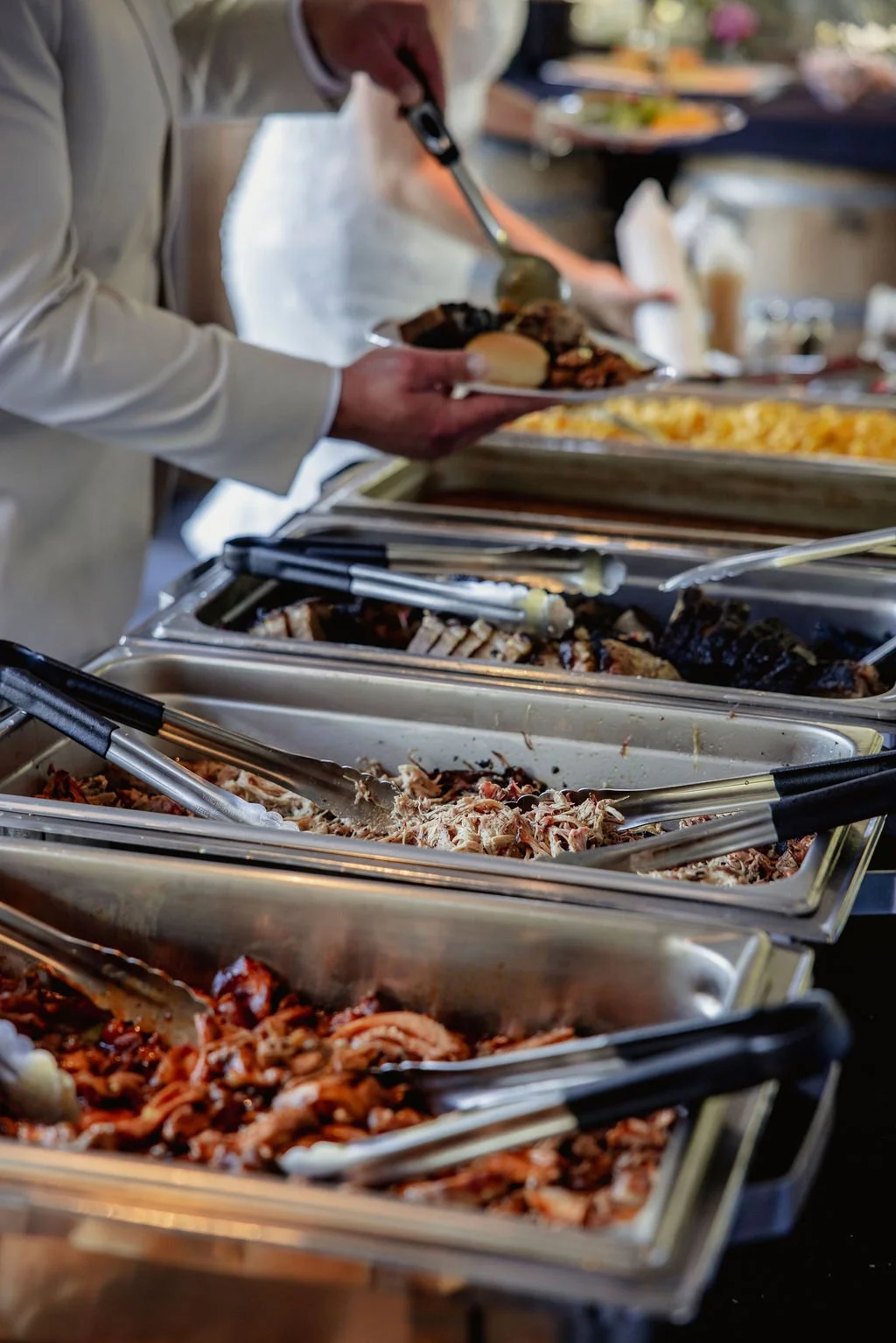
In the Pacific Northwest, rehearsal dinners work particularly well at private estate spaces, winery venues, or well-chosen restaurants with private dining rooms. The size is usually 20 to 40 people. The goal is intimate and warm, not production-heavy.
The wedding day
The wedding day within a weekend context has one additional planning consideration that standalone weddings do not: guest energy. A guest who has attended a welcome gathering and a rehearsal dinner arrives at the wedding day already emotionally invested and already tired. The timeline needs to account for this.
Wedding days within weekends tend to run slightly more efficiently because guests are already oriented, the family has already moved through some of the emotional weight of gathering, and the wedding party has already walked the ceremony once. Build a timeline that takes advantage of this rather than front-loading the day with logistics.
The day-after brunch is the event that most couples consider optional but guests consistently rank as a highlight. It is the decompression event. The wedding is over, everyone is exhaled, and the morning-after gathering is where the real conversations happen.
It also serves a practical function: it gives out-of-town guests a graceful exit point rather than a sudden dispersal the morning after the wedding. Couples who skip it often hear from guests that they wished there had been one more moment together.
It does not need to be planned to the same standard as the other events. A two-hour seated brunch or even a standing breakfast spread at the hotel or venue is enough. What matters is that it exists.
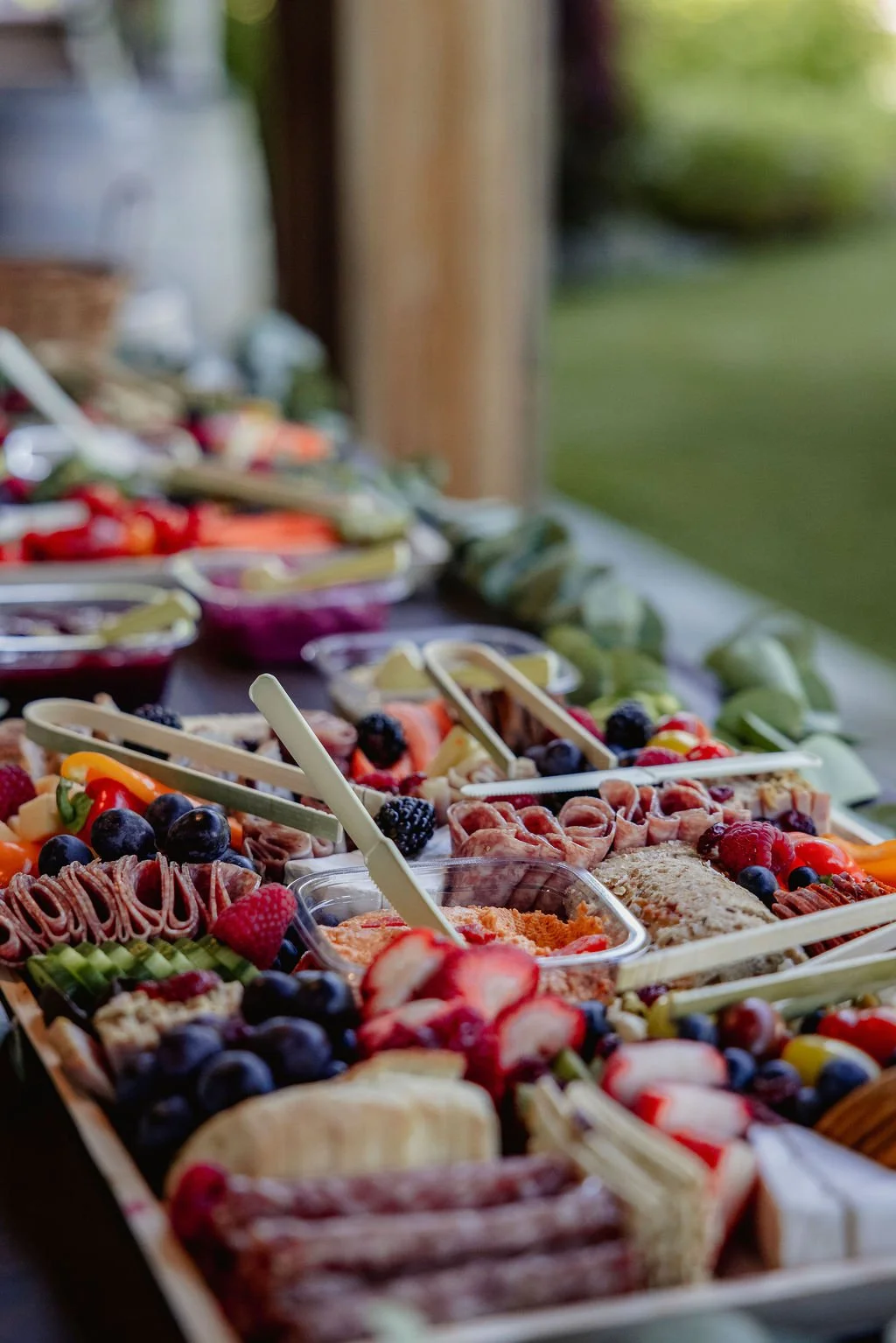
The planning sequence for a wedding weekend
Confirm your venue and wedding date first. Everything else is sequenced around that.
– 12 months out: wedding venue and vendors locked
– 9 to 10 months out: rehearsal dinner venue confirmed
– 6 to 8 months out: welcome gathering venue or format decided
– 3 to 4 months out: day-after brunch location confirmed, all guest communications drafted
– 6 to 8 weeks out: final counts confirmed for all events, vendors briefed on full weekend
– 2 weeks out: full weekend timeline distributed to all vendors and wedding party
The weekend is a single guest experience, not four separate events. Plan it that way from the beginning.
Dramatically Simple Events manages full wedding weekends as an add-on to The Design, The Day, or The Elopement. If you are planning a multi-day celebration in the Pacific Northwest and want to understand what that support looks like, a conversation is the right starting point.