PNW Venues · Seattle & Pacific Northwest
The PNW wedding venues worth knowing (and what to ask before you book)
Vicki Russell · Dramatically Simple Events · 8 min read
Most venue guides are ranked lists. This is not that. A ranked list of venues is useful if you are looking for inspiration. This guide is useful if you are about to sign a contract and want to know what questions you forgot to ask.
After 300+ events across Seattle and the Pacific Northwest, the venue questions that matter most are almost never the ones couples think to ask first. Here is what actually shapes how your day runs.
The question that matters more than anything else
Ask this before anything else: does the venue require you to use their preferred vendor list, or can you bring your own team?
Some venues operate as closed ecosystems. They have preferred caterers, preferred photographers, preferred florists, and they either require or strongly incentivize you to use them. This is not inherently bad. Preferred vendor relationships can mean a well-coordinated team that knows the space. It can also mean your choices are significantly constrained and your costs are higher than they appear in the initial quote.
Other venues are fully open. You bring your own team entirely. This gives you more control and often better outcomes if you have a planner who has existing relationships with strong vendors.
Know which kind of venue you are looking at before you fall in love with it.
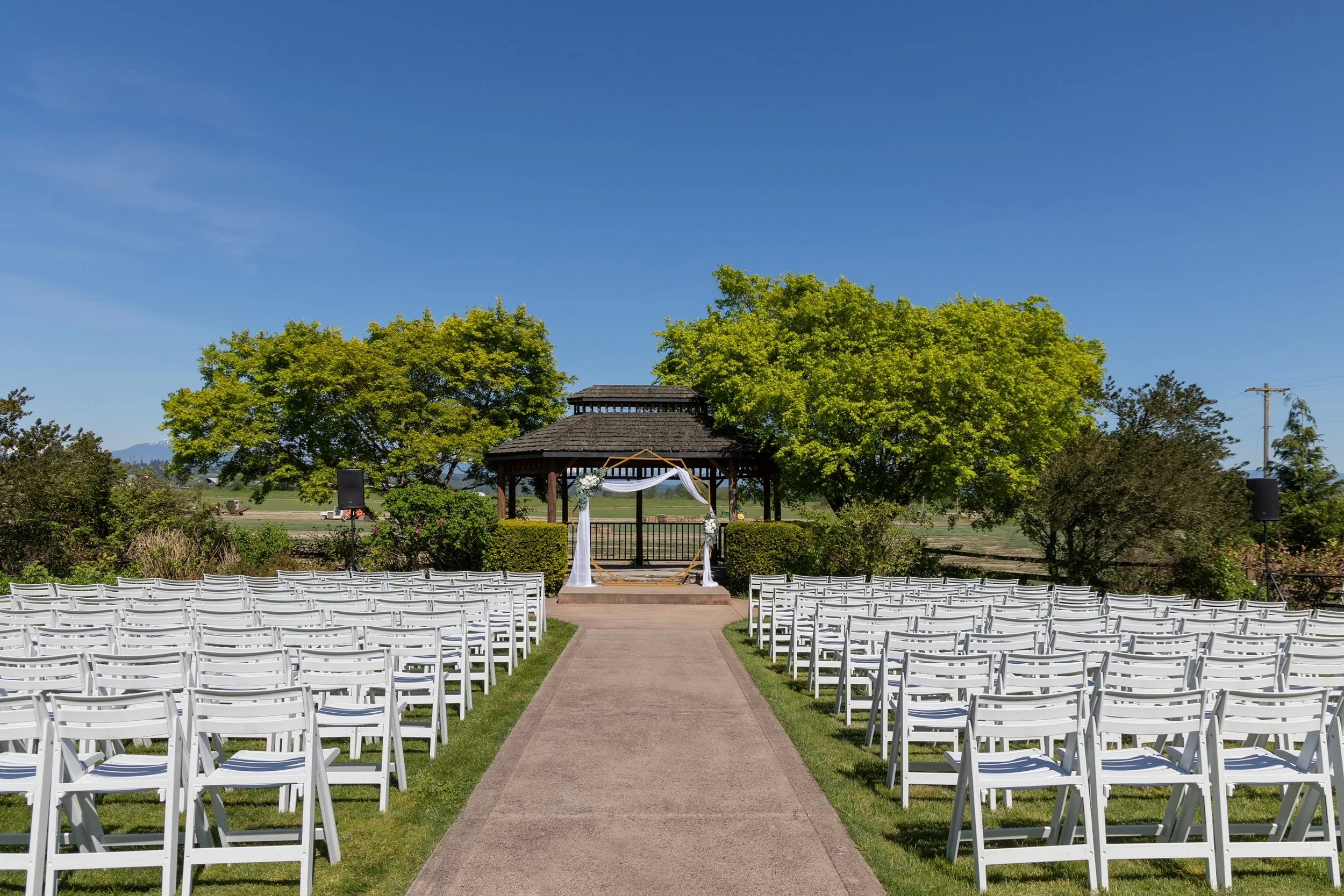
What the venue coordinator does and does not cover
Almost every venue in the Pacific Northwest has an on-site coordinator. Almost no couple fully understands what that person does and does not do.
The venue coordinator manages the venue's portion of your event. They oversee the catering team, the room setup, the bar service, and anything else that falls within their walls and their staff. They do not manage your photographer's timeline, your florist's setup schedule, your musician's sound check, or your officiant's arrival.
When couples assume the venue coordinator is managing their full wedding day, gaps appear. Vendors who expected someone to direct them arrive without instruction. The family wrangling that needs to happen before the ceremony does not happen because nobody owns it.
The venue coordinator works for the venue. A wedding planner works for you. These are not the same role.
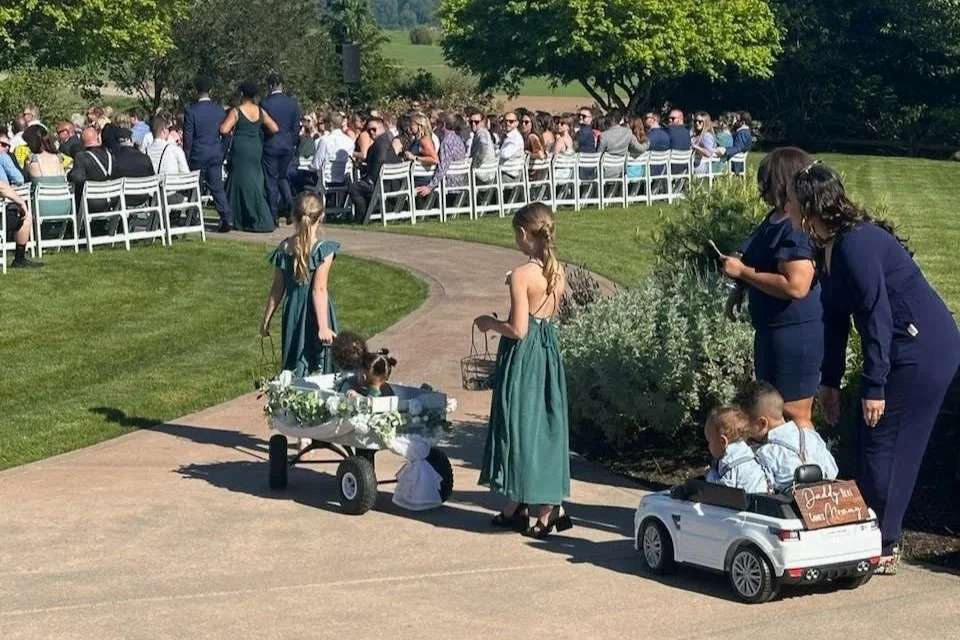
Outdoor venues and the weather reality
The Pacific Northwest is beautiful precisely because of its weather variability. It is also why outdoor venues require more contingency planning than most couples build in.
Asking about a rain plan is table stakes. The more useful question is: what does the backup look like specifically, how many guests does it comfortably hold, and what is the trigger point for activating it?
A tent that holds 150 people in theory but 80 people comfortably is not a real backup for a 130-person wedding. A contingency plan that requires a 48-hour decision window means you are making that call on your wedding week with full weather data available. Knowing the specific terms before you book changes how you assess the risk.
The venue categories that work best for couples with outside planners
Private estates are typically the most flexible. No required vendor list, full control over the environment, and the kind of privacy that public venues cannot offer. The tradeoff is infrastructure: rentals, power, catering, restrooms, and parking all have to be coordinated.
Winery and vineyard venues in the PNW have strong existing vendor relationships but are generally open to outside planners. The scenery is exceptional and the operational infrastructure is typically solid.
Hotel venues in Seattle have the most developed infrastructure and the most complex vendor requirements. Know exactly what is required and what is optional before comparing their quote to an estate rental.
Blank-canvas venues (warehouses, studios, raw industrial spaces) give maximum creative control and require maximum planning investment. They are not appropriate for couples who are managing the logistics themselves.
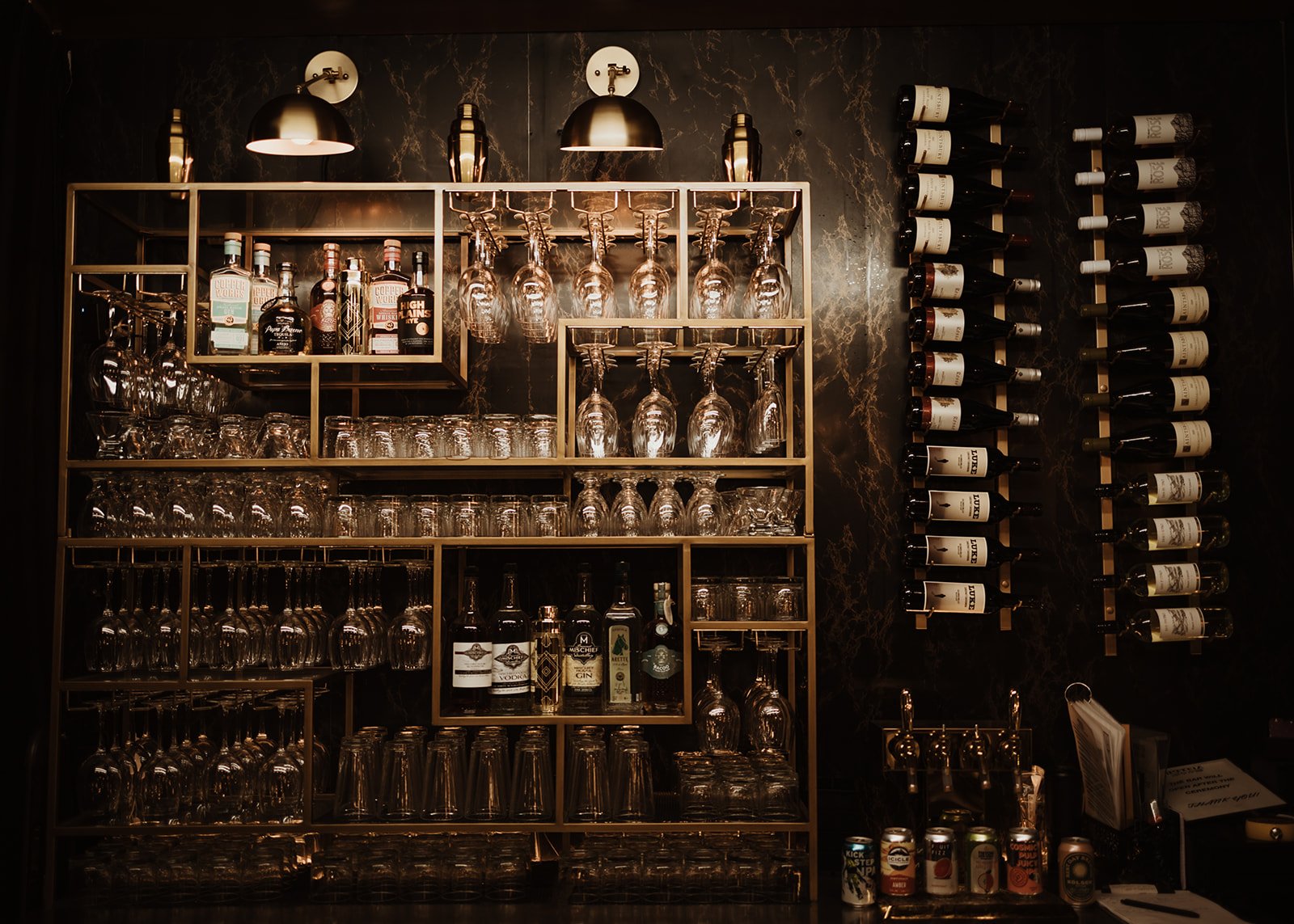
What to ask at every venue tour
– Can we bring our own planner, and is there a coordination fee for doing so?
– Who is our point of contact on the day and how many events are they managing that weekend?
– What does the backup plan look like in specific terms, including capacity and trigger window?
– What is and is not included in the venue fee, and what are the preferred vendor requirements?
– What is the load-in and load-out window, and what access do vendors have the day before?
– What happened at the last wedding that did not go according to plan?
That last question is the most revealing. Venues that have been through real challenges and handled them well will answer it directly. Venues that deflect it are telling you something.
If you are still in the venue research phase and want a planner's read on a specific space you are considering, that is exactly what The Read is designed for.