What a luxury wedding planner actually does (the parts no one talks about)
Vicki Russell · Dramatically Simple Events · 7 min read
The work that happens before the day
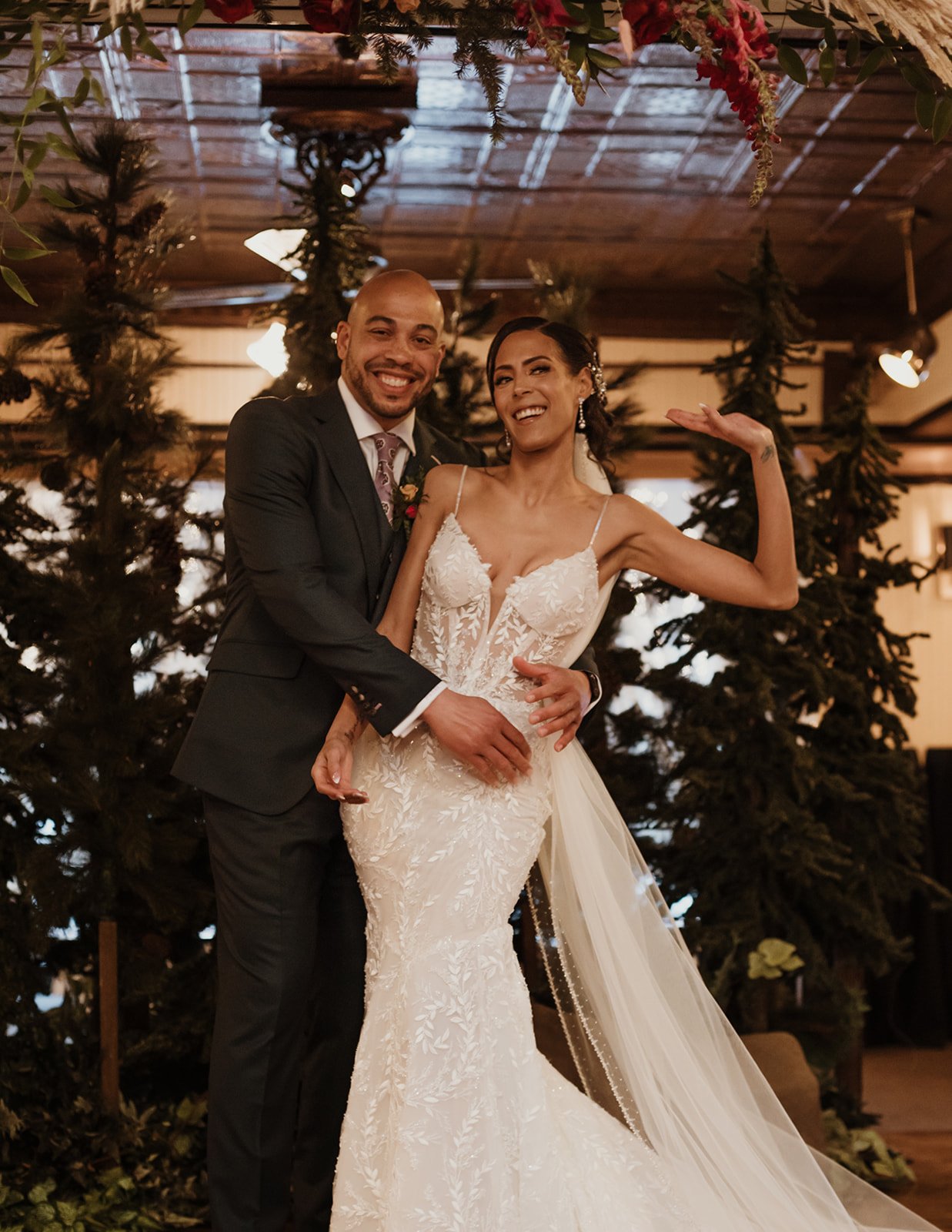
Full planning at Dramatically Simple Events starts months before the wedding. In that window, the work is primarily relational and structural.
Vendor vetting is not just confirming availability. It is understanding how a photographer works under pressure, whether a florist communicates proactively or reactively, and how a caterer handles a late delivery from their supplier. These things only become apparent through direct working relationships. Planners who have those relationships can assemble a team that performs differently than one assembled from reviews.
Contract review is part of every engagement. Not because every vendor has problematic contracts, but because the specific terms in a contract shape how the day can run. Payment schedules, overtime clauses, minimum service hours, backup photographer policies, weather contingencies: these details matter on the day and they are worth understanding before you sign.
Budget management over a 12-month planning window is the difference between arriving at your wedding financially where you expected to be and arriving somewhere else. The discipline of tracking against a real budget, identifying category creep early, and making deliberate tradeoffs is work that most couples find genuinely difficult to do for themselves.
Most of what a wedding planner does is invisible on the day. That is the point. When the work is done properly, you experience a day that feels effortless. What you do not experience is the hours before you arrived, the problems that were solved before they became visible, and the layer of attention that runs underneath everything you see.
This is an honest account of what that work actually looks like.
The morning of the wedding
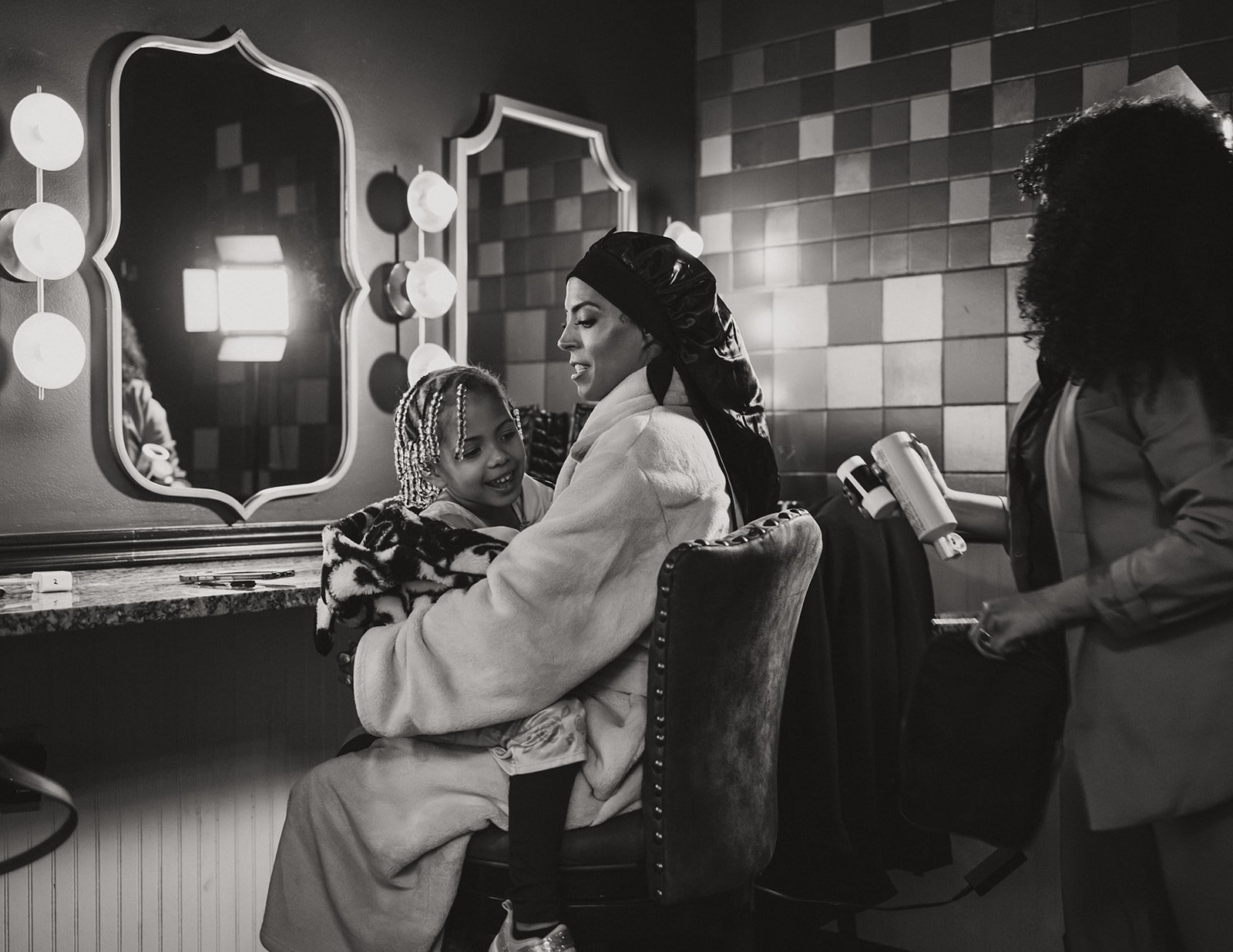
I typically arrive before any vendor, before any guest, and before the couple is dressed. The first hour of a wedding day is when the most consequential decisions get made, and they need to be made by someone who knows the full plan.
Is the florist setup running on schedule and will it be complete before the photographer begins room shots? Has the catering team confirmed their timeline against the ceremony start? Is the rental company's final delivery accounted for in the room setup?
These are not emergencies. They are the normal texture of a wedding morning, and they require someone who has the authority and the knowledge to resolve them quickly without routing decisions back through the couple.
Reading the room
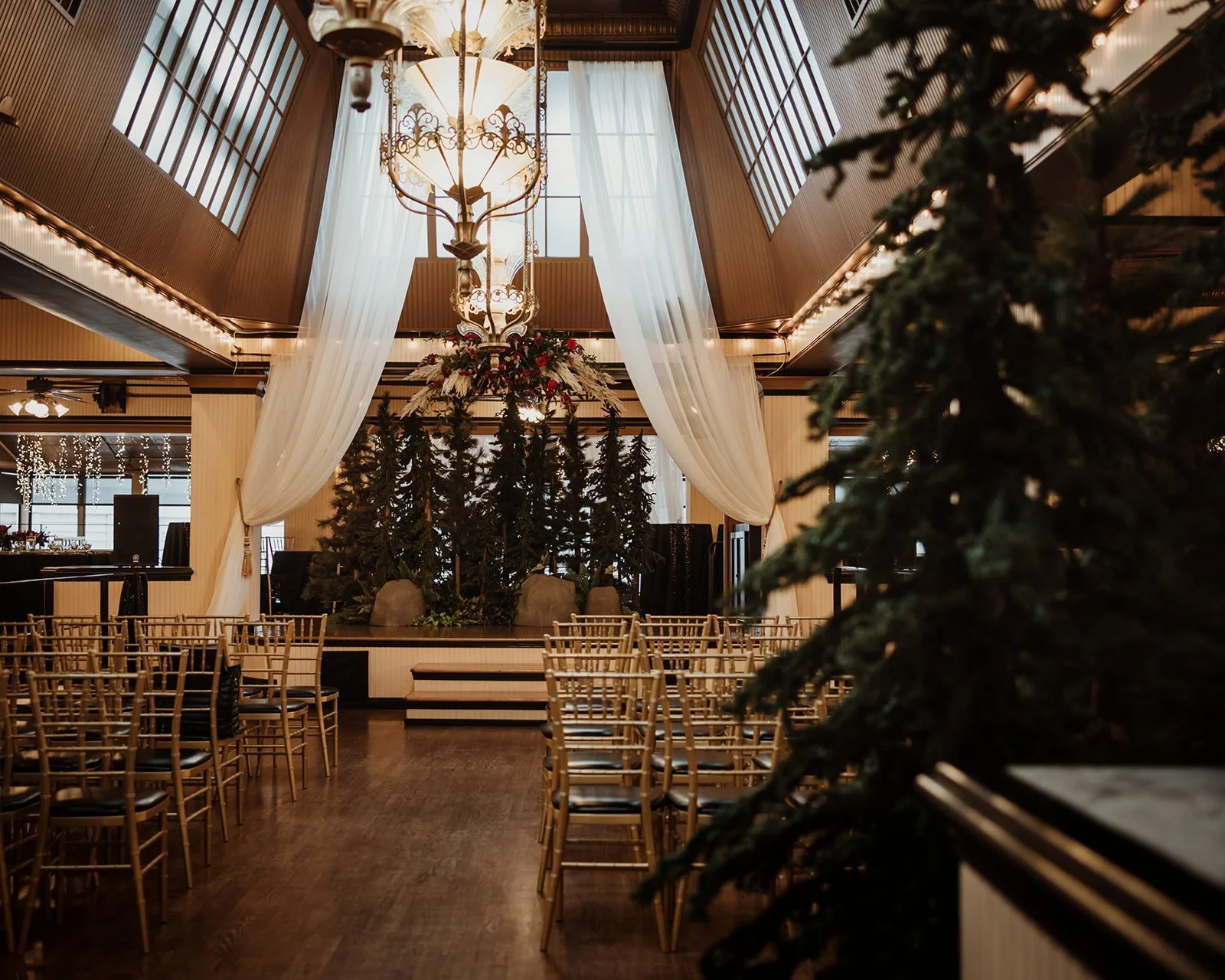
The layer that is hardest to describe is the one I am always doing. Reading the room is not a metaphor in my work. It is a specific, practiced skill.
Before the ceremony starts, I have identified the guests most likely to need active management: the family member who is running on grief, the friend who is already drinking at noon, the seating conflict that the couple thought was resolved but is not. None of these are crises. All of them require quiet attention before they become visible.
During the reception, the energy in a room shifts in ways that a timeline does not capture. A room that is running cold needs a DJ adjustment and a shift in lighting before the formal dances, not after. A room running hot needs the transition to dinner to happen before it peaks and dissipates. Reading those shifts in real time and making the calls that keep the experience intact is not something a timeline can tell you to do. It comes from having stood in the back of hundreds of rooms.
The parts that happen after you leave
At the end of a wedding night, after the couple has departed, there are typically one to two more hours of work: overseeing vendor breakdown, confirming that personal items are collected and properly stored, handling any final logistics with the venue, and making sure nothing is left behind that needs to be.
Couples rarely see this part. That is correct. It should not be their last memory of their wedding night. It should be mine.
Why this matters for couples hiring in the Pacific Northwest
The PNW luxury wedding market has a range of planning services that use similar language but represent genuinely different levels of work. A planner with 15 years of experience and 300+ events, including a leadership role at a premier Seattle venue, is not the same product as a planner in their second year with 20 events.
That experience gap becomes most apparent not in the things that go right, but in the things that almost went wrong. A vendor who arrives 40 minutes late but whose gap is filled before anyone notices. A family conflict that is quietly redirected before the ceremony. A timeline that shifts by 20 minutes in the first hour and is recovered without the couple ever knowing it happened.
The best planning is invisible. The second-best planning lets you see how much work was required. You want the first kind.
If you are in the early stages of deciding whether to hire a planner and what kind, The Read is a 2-hour session designed exactly for that decision. We will look at what you have, tell you what we see, and give you an honest picture of what the rest of the planning process should look like.